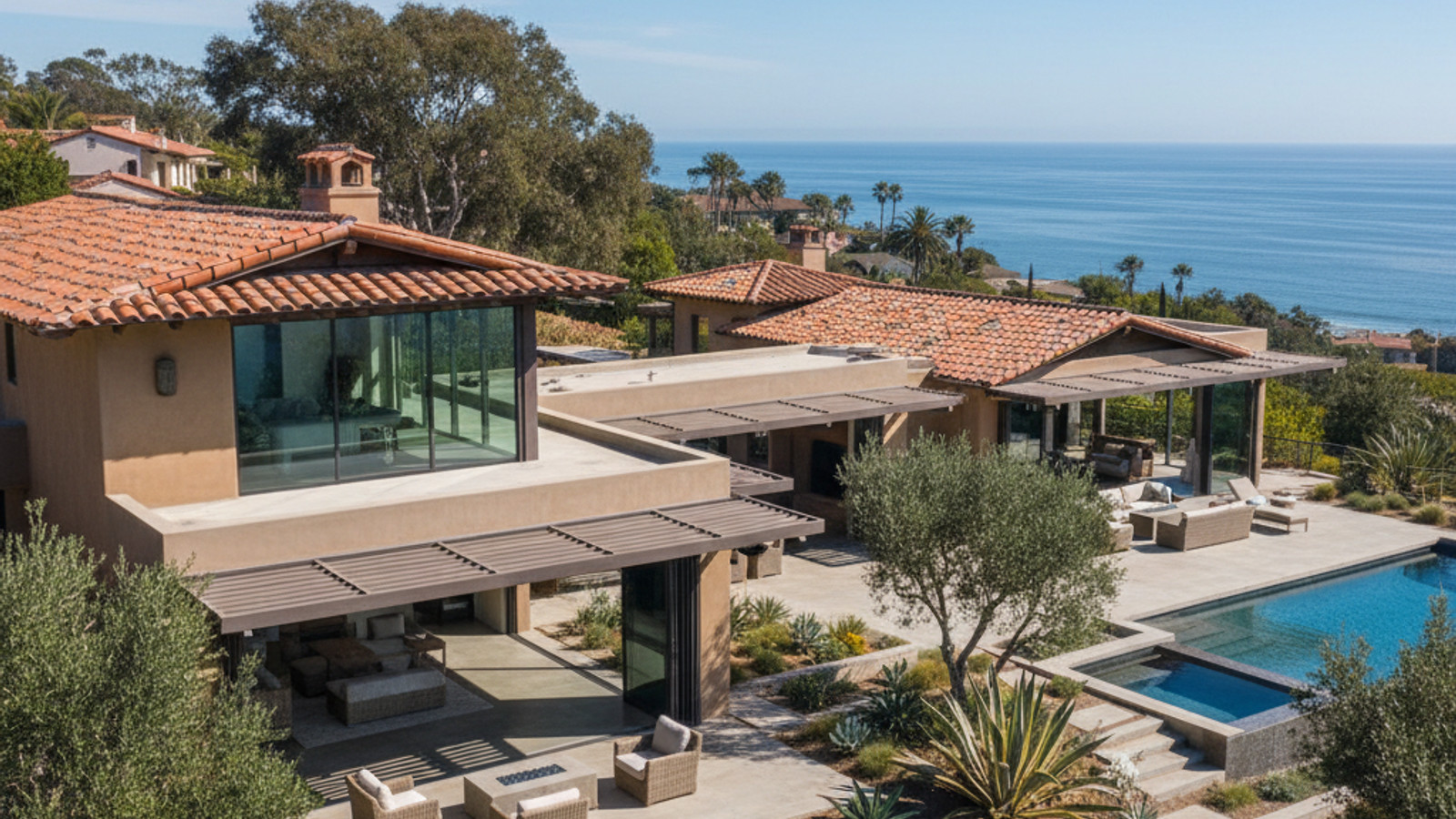
Buyers looking at South Orange County real estate often prioritize outdoor living. The weather and climate in Laguna Niguel, CA support this lifestyle with approximately 273 sunny days per year. This consistency makes it easy to plan outdoor renovations or schedule weekend hikes without worrying about sudden storm fronts.
Local weather stations report that extreme temperature swings are rare in this part of Southern California. A typical 10-day weather forecast here rarely includes severe warnings, allowing residents to enjoy a predictable, mild environment. Understanding these regional weather patterns helps buyers choose the right property features and landscaping for their new homes.
Temperature Patterns and Annual Rainfall
Summer high temperatures in this area average between 80 and 82 degrees Fahrenheit. Winter brings milder conditions, with overnight lows hovering around 48 to 50 degrees. This narrow temperature band means residents rarely need heavy winter gear or constant air conditioning.
The region receives about 14 inches of rain annually. Most of this precipitation falls between October and April, leaving the summer months mostly dry. During the wetter months, buyers should check the local weather forecast to time their moving days or home inspections around the occasional rain shower.
Even during the winter, most days remain mostly sunny or partly cloudy. The chance of precipitation drops to near zero from June through September. This dry season allows homeowners to maximize their use of outdoor kitchens, pools, and patio spaces.
How the Pacific Ocean Shapes Local Conditions
Proximity to the coast plays a major role in regulating local temperatures. A morning marine layer often blankets the lower elevations before burning off by early afternoon. This natural cooling effect keeps daytime temperatures noticeably milder than those found in inland Orange County cities.
Coastal breezes typically blow inland at speeds ranging from 5 to 15 mph. These winds help maintain excellent air quality throughout most of the year by pushing stagnant air out of the basin. Homebuyers touring properties in the afternoon will often feel this steady breeze coming off the Pacific.
Topography also influences how weather behaves in different neighborhoods. Properties set deep in the canyons hold the morning cool air longer, while elevated ridge homes receive more direct sunlight and stronger afternoon wind. Occasionally, the typical onshore flow reverses, bringing dry Santa Ana winds from the desert toward the coast.
Parks and Outdoor Recreation Centers
The low chance of summer rain means local parks remain accessible nearly every day of the year. Residents have access to thousands of acres of protected open space right in their backyard. The consistent weather makes it easy to maintain an active routine without checking a daily weather app.
The city maintains an extensive network of trails and recreational facilities. Buyers evaluating the area will find several major regional parks that take advantage of the mild climate.
- Aliso and Wood Canyons Wilderness Park: This preserve offers over 30 miles of trails dedicated to hiking, mountain biking, and equestrian use.
- Crown Valley Park: The facility features an 18-acre botanical preserve, a community amphitheater, and an outdoor pool.
- Laguna Niguel Regional Park: A 44-acre lake anchors this park, providing year-round access for fishing and non-motorized boating.
Real Estate Built for the Coastal Environment
Local architecture reflects the demands and benefits of the Southern California environment. Mediterranean and contemporary home styles dominate the housing market here. These designs often feature central courtyards, rooftop decks, and large sliding glass walls that blur the line between indoor and outdoor spaces.
Homeowners frequently invest in covered patios and shaded terraces to maximize their time outside. Because the weather remains mild, these outdoor living rooms function as year-round extensions of the home’s square footage. Buyers should look for properties positioned to capture the afternoon coastal breeze.
Landscaping trends have shifted toward drought-tolerant designs to adapt to the dry summer months. Many properties replace traditional grass lawns with native succulents, decomposed granite, and hardscaping. This approach reduces water consumption while maintaining aesthetic appeal during periods of low rainfall.
Commuting Routes and Local Infrastructure
Most residents rely on Interstate 5 and State Route 73 to reach nearby employment centers. Interstate 5 runs along the eastern edge of the city, providing a direct path north toward Irvine and south toward San Diego. State Route 73 offers a toll option that speeds up travel times to coastal cities like Newport Beach.
For education, homes in the city are zoned for the Capistrano Unified School District. The district operates multiple elementary, middle, and high schools throughout the surrounding communities. Buyers should verify specific school boundaries with the district office when evaluating a property.
The city’s location makes it a practical base for professionals working in major Orange County business hubs. Irvine sits just a short drive up the freeway, offering access to numerous corporate headquarters and technology firms. The reliable weather means weather-related traffic delays are relatively uncommon compared to other parts of the country.
Frequently Asked Questions
Does Laguna Niguel have a rainy season?
Yes, the majority of the area’s 14 inches of annual rain falls between October and April. Winter storms occasionally bring heavy showers, but extended periods of gloomy weather are rare. Summer months remain almost entirely dry.
How hot does it get in Laguna Niguel?
Summer highs typically peak around 80 to 82 degrees Fahrenheit in July and August. The coastal breeze keeps the area cooler than inland cities, preventing the extreme heat waves common just a few miles east. Temperatures rarely exceed 90 degrees.
How humid is it in Laguna Niguel?
Humidity levels remain comfortable for most of the year due to the dry regional climate. The morning marine layer brings temporary moisture to the air, but it usually dissipates by noon. The steady ocean breeze prevents the heavy, sticky humidity found in other coastal states.
Leave a Reply