Laguna Niguel sits in the coastal hills of South Orange County, CA, offering a master-planned suburban environment. The city is home to roughly 64,000 residents and features extensive greenbelts, neighborhood parks, and a network of hiking trails. Many buyers look here for a quieter alternative to the dense coastal cities, while still staying within a short drive of the Pacific Ocean.
Living in Laguna Niguel, CA means trading the immediate beachfront for elevated terrain, larger lot sizes, and a carefully structured community layout. The city borders Dana Point, CA, Aliso Viejo, CA, and San Juan Capistrano, CA, placing it right in the middle of the region’s primary residential corridor. Understanding the local housing costs, commute routes, and neighborhood structures will help you decide if this area fits your long-term plans.
The local climate features mild, dry summers and cool winters, allowing for year-round outdoor recreation. Ocean breezes push through the canyons, keeping temperatures moderate even when inland Orange County gets hot. This consistent weather pattern is a major draw for buyers relocating from other parts of the United States.
Everyday Expenses and Housing Costs
Spring 2026 median home prices for standard single-family homes in Laguna Niguel, CA range from $1,400,000 to $1,700,000. This puts the city’s housing costs above the national average but generally below the immediate oceanfront properties in neighboring coastal towns. Buyers paying these prices get access to a master-planned community with extensive public infrastructure and well-maintained open space.
Homeowners associations play a major role in local housing costs. The city contains over 120 different HOAs, and monthly dues average between $140 and $400 depending on the neighborhood. These fees typically cover common area landscaping, street maintenance in gated areas, and amenities like community pools or tennis courts. Buyers should review the specific HOA documents to understand exactly what their monthly payment includes.
Daily living expenses, including groceries, utilities, and auto insurance, align with the broader Orange County, CA baseline. Property taxes are assessed at the standard California base rate of 1%, plus local voter-approved bonds and special assessments. Many neighborhoods in South Orange County also carry Mello-Roos fees, so buyers should ask their agent to check the tax records for any specific property.
Homeowners insurance is another expense buyers should factor into their monthly budget. Because some neighborhoods border open space and wildland areas, fire insurance premiums can be elevated. Securing insurance quotes early in the escrow process ensures the property fits within your financial parameters.
Transfer taxes and closing costs follow standard local procedures, with the seller customarily paying the county transfer tax. Buyers are responsible for their own loan origination fees, appraisal costs, and escrow charges. Working with a local lender helps ensure these closing estimates are accurate for the specific neighborhood you choose.
Local Real Estate and Property Types
The local housing market consists primarily of single-family detached homes and attached townhomes built from the late 1980s through the early 2000s. Because the city limits are largely built out, new construction is rare, and inventory relies on existing owners deciding to sell. Buyers looking for homes for sale will find a mix of Mediterranean and contemporary architecture spread across rolling hills.
The housing stock varies depending on which side of the city you explore. Neighborhoods built around the El Niguel Country Club offer older, custom homes with golf course views and mature trees. Meanwhile, developments closer to the 73 toll road feature more standardized architecture and newer community amenities.
When shopping for a property, buyers will generally encounter three main categories of housing:
- Detached single-family homes: These make up the bulk of the market, offering private yards, attached garages, and traditional suburban layouts.
- Townhomes and condominiums: These attached units provide a lower entry price and shared community amenities, though they require monthly maintenance dues.
- Luxury custom estates: Found in gated enclaves, these properties offer massive square footage, premium privacy, and expansive views.
Master-Planned Estates
Buyers with higher budgets often target the luxury estates in communities like Bear Brand Ranch and Ocean Ranch. These gated neighborhoods feature large lot sizes, custom home designs, and panoramic views of the hills or the ocean. Security and privacy are primary features of these higher-end developments.
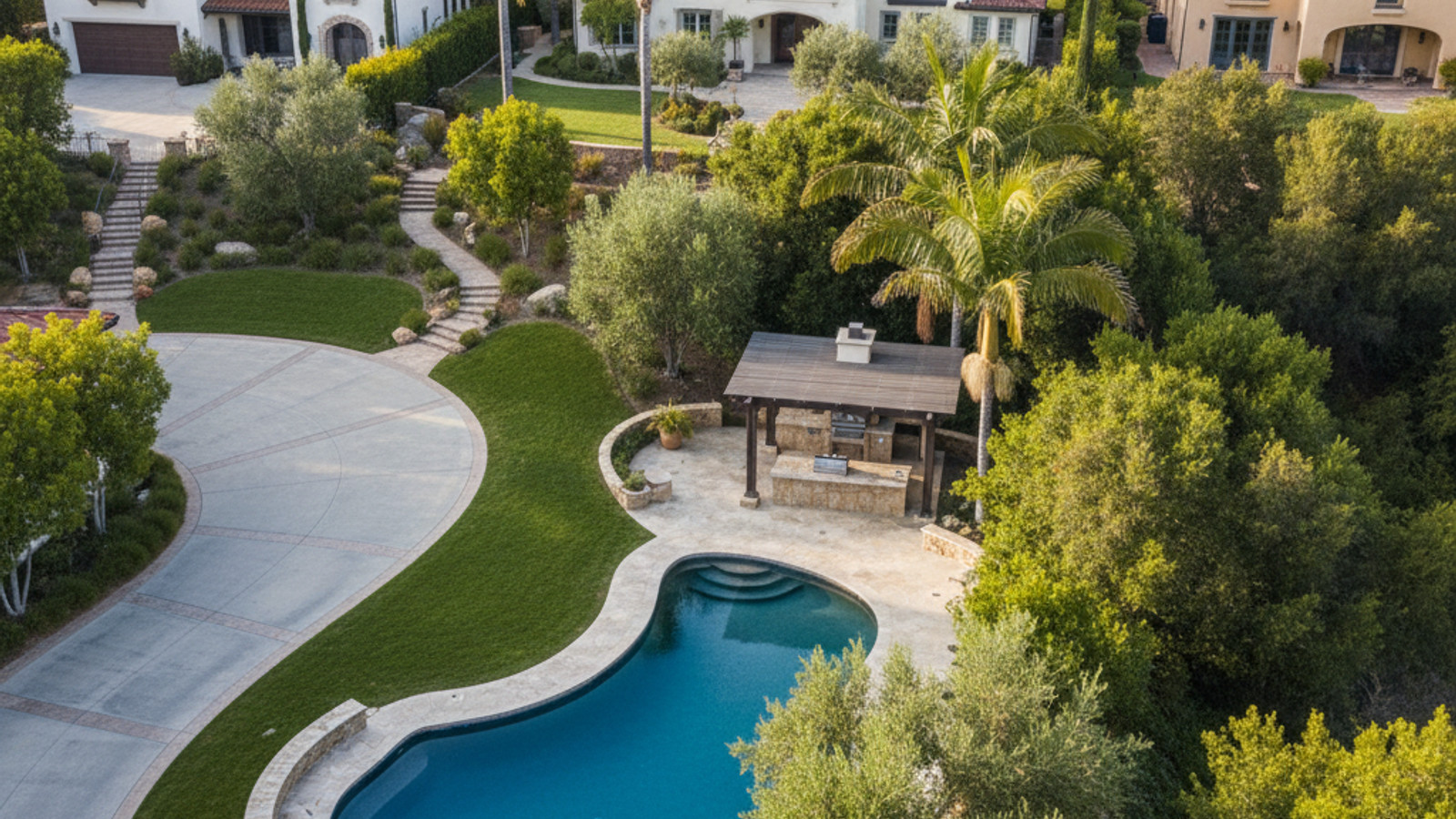
Many of these high-end homes include private pools, extensive outdoor kitchens, and multiple garages. Buyers interested in these properties should expect strict architectural guidelines enforced by the local homeowners associations.
Townhomes and Condominiums
Attached housing provides a more accessible entry point into the city. Townhomes and condominiums are typically priced lower than detached houses, making them a common choice for first-time buyers and those looking to downsize. While the purchase price is lower, buyers must factor the monthly maintenance dues into their debt-to-income ratio during the mortgage underwriting process.
Investors also target these attached units as long-term rental properties. The steady demand for housing in South Orange County keeps rental rates strong, making condominiums a practical addition to a real estate portfolio.
Public Education and School Zoning
Public school students living in Laguna Niguel, CA are zoned for the Capistrano Unified School District. This district covers a massive portion of South Orange County and operates several campuses directly within the city limits. Parents researching the area often look at specific attendance boundaries when selecting a neighborhood.
Younger students typically attend local campuses like Laguna Niguel Elementary, John Malcom Elementary, or Niguel Hills Middle School. These schools are integrated into the residential neighborhoods, and many students walk or ride bikes to class. The master-planned design of the city includes dedicated pedestrian paths that connect housing tracts to these local campuses.
The city does not have its own dedicated public high school within its borders. Instead, older students filter into high schools located in adjacent cities, primarily Dana Hills High School in Dana Point, CA or Aliso Niguel High School in Aliso Viejo, CA. Buyers should check the district’s official zoning map to confirm which high school a specific property feeds into.
Beyond the public system, parents have access to several private and charter school options in the surrounding towns. Parochial schools and independent academies operate in nearby San Juan Capistrano, CA and Irvine, CA. Waitlists for these private institutions often fill up quickly, making early research a smart move for incoming residents.
Extracurricular activities play a major role in the local educational culture. Both Dana Hills High School and Aliso Niguel High School feature extensive athletic facilities, theater programs, and advanced placement courses. Students from Laguna Niguel, CA regularly participate in these regional programs, fostering a strong sense of community across city lines.
Dining and Daily Conveniences
Grocery shopping and daily errands revolve around several large retail centers anchored throughout the city. The Ocean Ranch Village shopping center provides access to premium grocers, a coffeehouse, and casual dining options. Residents appreciate having these commercial hubs spread out, preventing any single intersection from becoming overwhelmed with daily traffic.
The local restaurant scene focuses on upscale casual dining and family-owned eateries rather than late-night entertainment. Diners will find a mix of Italian bistros, sushi bars, and American grills located primarily along Crown Valley Parkway. For high-end culinary experiences, many locals take the short drive down to the resorts in neighboring Dana Point, CA.
Healthcare access is another major component of the local infrastructure. Several regional medical centers and urgent care clinics operate just outside the city limits, providing comprehensive medical services to the community. This straightforward access to healthcare adds a layer of convenience for anyone living in Laguna Niguel, CA.
Commute Times and Transit Options
The I-5 freeway sits just to the east of the city limits, providing the main north-south artery toward employment centers in Irvine, CA or south toward San Diego, CA. Most residents travel to work using personal vehicles, and traffic on the interstate builds early in the morning. Planning your departure time is the best way to avoid the heaviest congestion.
For a faster, albeit more expensive, regional travel option, residents use the State Route 73 toll road. The 73 cuts through the hills and offers a more direct route to the business parks around the John Wayne Airport and Newport Beach, CA. Commuters who use this route daily usually set up a FasTrak account to automate the toll payments.
Public transit is available for those who prefer to avoid driving. The Laguna Niguel/Mission Viejo Metrolink station connects the area to the broader Southern California rail network. This train service is a practical option for professionals commuting into Los Angeles, CA or central Orange County, offering a reliable alternative to freeway traffic.
Local surface streets handle the bulk of the daily errands and school drop-offs. Crown Valley Parkway and Alicia Parkway act as the main thoroughfares, connecting the residential hills down to the commercial centers. Traffic on these roads gets heavy during the afternoon school dismissal hours, so locals quickly learn the best alternate routes.
Weekend travel patterns look very different from the Monday through Friday grind. On Saturdays and Sundays, traffic flows primarily toward the coast as locals head to the beach or harbor. Understanding these seasonal and weekly traffic shifts helps new residents plan their weekend schedules without getting stuck in coastal gridlock.
Parks, Trails, and the Outdoors
The city dedicates a massive amount of acreage to public open space and recreation. Laguna Niguel Regional Park is a central fixture, featuring a large lake, fishing access, and miles of walking paths. Crown Valley Community Park serves as the hub for local sports leagues, offering an outdoor amphitheater, an aquatics center, and a botanical preserve.
Hikers and mountain bikers frequently use the Aliso and Wood Canyons Wilderness Park, which borders the city to the west. This protected habitat offers rugged dirt trails that wind through coastal canyons and oak groves. The trail system connects various neighborhoods directly to the wilderness area, making outdoor exercise a standard part of the local lifestyle.
While the city does not have its own beachfront, the ocean is just a short drive away. Residents regularly head down Crown Valley Parkway to reach Salt Creek Beach in Dana Point, CA. This proximity allows locals to enjoy surfing, swimming, and coastal sunsets without paying the premium prices associated with homes located directly on the sand.
The local YMCA serves as another major recreation hub for residents. The facility offers fitness programs, youth sports leagues, and summer camps that keep children engaged year-round. Having this resource right in the center of town adds practical value to the local lifestyle.
Dog owners will find several dedicated spaces to exercise their pets. The local parks department maintains off-leash dog runs equipped with water stations and shaded seating areas. These facilities serve as informal gathering spots for neighbors, strengthening the community network.
Frequently Asked Questions
Is Laguna Niguel a wealthy area?
Yes, the median household income here sits well above the national average, reflecting the high cost of local real estate. Many residents are established professionals or business owners working in nearby Irvine, CA or the surrounding coastal towns. The presence of luxury gated communities like El Niguel Country Club also elevates the city’s overall economic profile.
What is the difference between Laguna Beach and Laguna Niguel?
Laguna Beach is a historic coastal city known for its oceanfront coves, art galleries, and heavy tourist traffic along the Pacific Coast Highway. Laguna Niguel is an inland, master-planned suburb characterized by wide streets, HOA-governed neighborhoods, and a quieter residential atmosphere. If you want a busy arts scene directly on the water, choose the beach; if you want larger homes and suburban structure, choose the inland city.
Do celebrities live in Laguna Niguel?
A few professional athletes and local television personalities own homes in the city’s gated luxury neighborhoods. However, major Hollywood celebrities generally prefer the secluded estates in Los Angeles, CA or the oceanfront properties in nearby coastal towns. The area is known more for its quiet privacy than for high-profile star sightings.
Leave a Reply