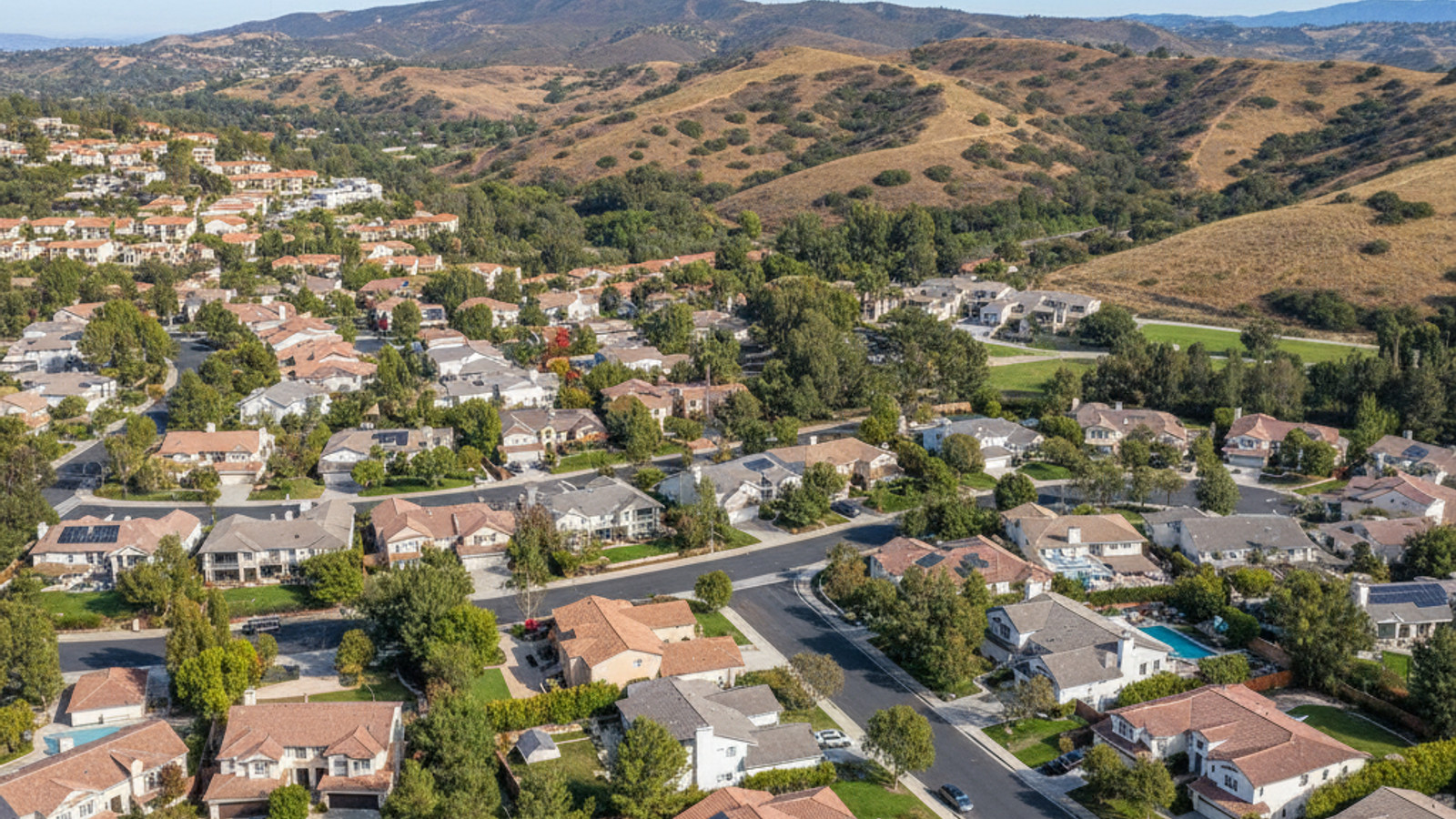
The median home price in Laguna Niguel sits between $1.4 million and $1.5 million in mid-2026. This coastal-adjacent city continues to draw buyers looking for suburban amenities without the immediate beachfront premium found in neighboring towns. Available homes remain limited, keeping the area tilted toward sellers who price their properties accurately.
Buyers entering the Laguna Niguel, CA housing market should prepare for quick transaction timelines. Appropriately priced listings generate offers fast, leaving little room for hesitation during the initial viewing period. Understanding local tax structures, transportation routes, and specific neighborhood fees helps buyers make informed purchasing decisions.
South Orange County Market Positioning
Laguna Niguel occupies a central location within South Orange County, bordered by Dana Point, San Juan Capistrano, and Aliso Viejo. The city features rolling coastal hills, providing many properties with expansive canyon or distant ocean views. This geography creates a distinct real estate environment compared to the flatter, grid-like cities further inland.
The 2026 housing landscape here remains defined by a persistent shortage of available listings. Homeowners are holding onto their properties longer, limiting the number of homes that hit the local multiple listing service each month. This restricted inventory creates a competitive environment for buyers, particularly for homes priced under the city’s median value.
Despite the low inventory, the market operates with predictable seasonal rhythms. Spring and early summer see the highest volume of new listings and closed sales. Buyers touring homes during these peak months will encounter more options but face stiffer competition from other active house hunters.
Current Home Prices and Days on Market
Single-family homes in Laguna Niguel average around $1.45 million, while the broader price per square foot hovers near $700. These figures align closely with broader South Orange County real estate trends, where inventory constraints keep property values elevated. Sellers who price their homes according to recent comparable sales see strong buyer interest.
The average listing spends about 30 to 35 days on the market before going pending. This timeline represents a balanced pace for the region, though fully updated properties often move faster. Buyers should have their financing fully approved before touring homes to ensure they can submit competitive offers immediately.
Overpricing remains a common misstep for sellers hoping to test the upper limits of neighborhood values. Homes listed above market value often sit past the 40-day mark, eventually requiring price reductions to attract attention. Real estate data from recent Zillow and Redfin reports confirms that well-priced homes continue to receive multiple offers within the first two weeks.
Available Housing Types and Neighborhood Structures
The local housing stock leans toward master-planned developments built primarily between the late 1970s and early 2000s. These neighborhoods feature organized street layouts, buried utility lines, and designated community spaces. Prospective homeowners will find three main categories of residential properties when browsing local listings.
Each property type carries distinct price points, architectural styles, and maintenance expectations. Buyers should evaluate their budget against the specific carrying costs associated with these different homes.
- Single-family homes: Detached properties make up the majority of the market, typically offering three to five bedrooms and attached garages. Prices for these homes generally start around $1.3 million and scale upward based on lot size and canyon views.
- Townhouses: Attached multi-level homes provide a middle ground for buyers, with recent sales ranging between $850,000 and $1.2 million. These properties often include small private patios and shared exterior maintenance managed by the association.
- Condominiums: Single-level attached units represent the most accessible entry point into the area. Buyers can expect shared walls and common parking areas, along with access to community pools and clubhouses.
Estimating Property Taxes and HOA Dues
The base property tax rate in Orange County is 1.06 percent of the assessed value. Homeowners in Laguna Niguel typically see an effective tax rate closer to 1.18 percent once local municipal assessments are factored into the annual bill. California law caps the annual increase in assessed value at 2 percent unless the property changes hands.
Unlike newer developments in nearby cities, many established Laguna Niguel neighborhoods do not carry Mello-Roos fees. These special tax assessment districts fund local infrastructure, and their absence keeps monthly carrying costs lower for residents in older tracts. Buyers should always verify the specific tax profile of a property during the escrow period.
Homeowners association dues are a standard part of living in this city, with nearly all master-planned tracts requiring membership. The average HOA fee runs about $300 per month, covering common area landscaping and community insurance. Neighborhoods with extensive amenities, guard-gated entrances, or private road maintenance routinely charge upward of $500 monthly.
Commuting Routes and Local Transportation
Direct access to major Southern California employment centers shapes the daily routine for many residents. Interstate 5 runs along the eastern edge of the city, serving as the primary corridor for trips toward Los Angeles or San Diego. State Route 73, a toll road, offers an alternative path through the coastal hills toward John Wayne Airport and coastal Newport Beach.
Driving to the Irvine business district takes roughly 25 to 35 minutes during typical morning traffic. Return trips in the evening often take slightly longer due to regional congestion where the 405 and 5 freeways merge. Commuters should factor these drive times and potential toll costs into their location decisions.
The Laguna Niguel/Mission Viejo Metrolink station provides a rail alternative for regional travel. Trains run daily on the Orange County and Inland Empire-Orange County lines, connecting passengers to employment hubs without freeway driving. The station includes a large parking structure, making it a practical option for daily commuters working in downtown Los Angeles.
Local Schools, Parks, and Retail Centers
The Capistrano Unified School District serves the local student population across the city. This district operates multiple elementary, middle, and high schools within the municipal limits. Buyers researching specific attendance boundaries should consult the district’s official maps, as neighborhood assignments can shift based on enrollment numbers.
Laguna Niguel Regional Park spans over 200 acres and centers around a 44-acre lake stocked for fishing. The facility provides paved walking trails, tennis courts, and shaded picnic areas. Municipal parks and smaller neighborhood green spaces are scattered throughout the residential tracts, providing outdoor access within a short walk of most homes.
Daily shopping needs are largely met by outdoor retail centers situated along Crown Valley Parkway and other main thoroughfares. Plaza de la Paz and the Laguna Niguel Promenade house major grocery chains, pharmacies, and dining options. These commercial hubs reduce the need to leave the city for standard errands and weekly grocery runs.
Frequently Asked Questions
Are home prices dropping in Laguna Niguel?
Property values remain steady through mid-2026, with the median price holding firm around $1.45 million. Low inventory levels continue to support current pricing, preventing broad market declines. Sellers still secure their asking price when their homes are in good condition and priced accurately.
Is Laguna Niguel an expensive place to buy a home?
The area commands a premium compared to national averages, but it often prices below immediate coastal neighbors like Laguna Beach. A buyer putting 20 percent down on a $1.4 million home should expect substantial monthly mortgage payments at current interest rates. Townhomes offer a more accessible entry point for those priced out of the detached market.
Do all Laguna Niguel homes have Mello-Roos fees?
Many neighborhoods built before 1990 avoid these extra infrastructure taxes entirely. Newer subdivisions and specific master-planned tracts may include them, adding several hundred dollars to the annual tax bill. Your real estate agent can pull the exact tax records for any listing to confirm the presence of these assessments.
Leave a Reply